Sleep Calculator: Find the Ideal Time to Sleep and Wake Up
Discover the best bedtime and wake-up times based on 90-minute sleep cycles.
This sleep calculator helps you find out what time to go to bed and when to wake up — so you start your morning with more energy. For more information, visit our frequently asked questions about sleep page.
What is a sleep calculator and what does it do?
A sleep calculator helps you estimate the best time to go to bed or wake up based on sleep cycles. Rather than focusing solely on total sleep hours, this tool helps you schedule your rest so that your alarm sounds near the end of a cycle — not in the middle of deep sleep.
To learn more about rest, insomnia, melatonin and nighttime habits, visit our frequently asked questions about sleep section.
Why does sleep quality matter?
Sleep is essential for the body's recovery. During rest, the brain processes the day's information, strengthens the immune system, consolidates memory, and regulates metabolism. Insufficient sleep can lead to poor concentration, irritability, weight gain, and in the long term, lay the groundwork for chronic illness.
What is a sleep cycle?
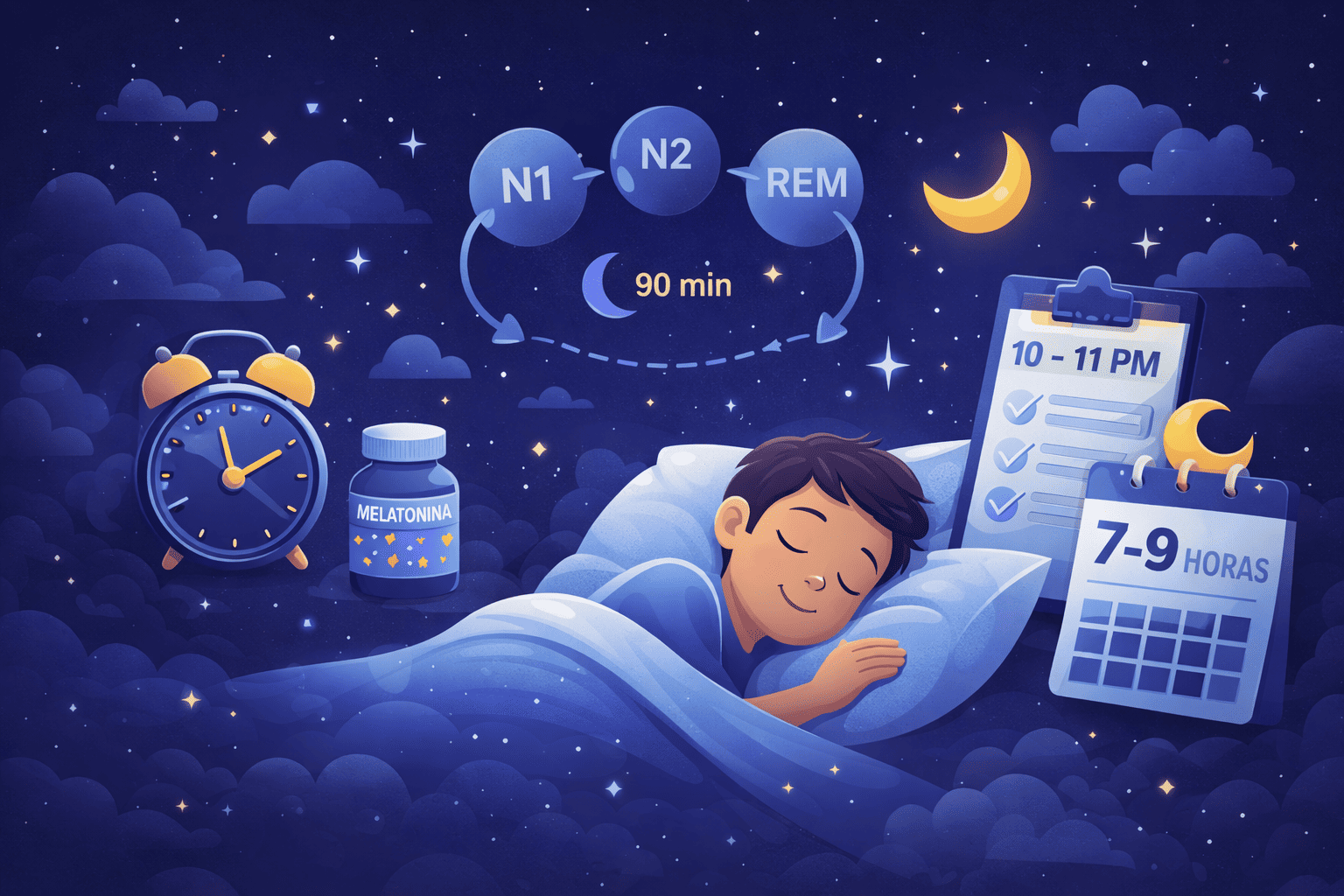
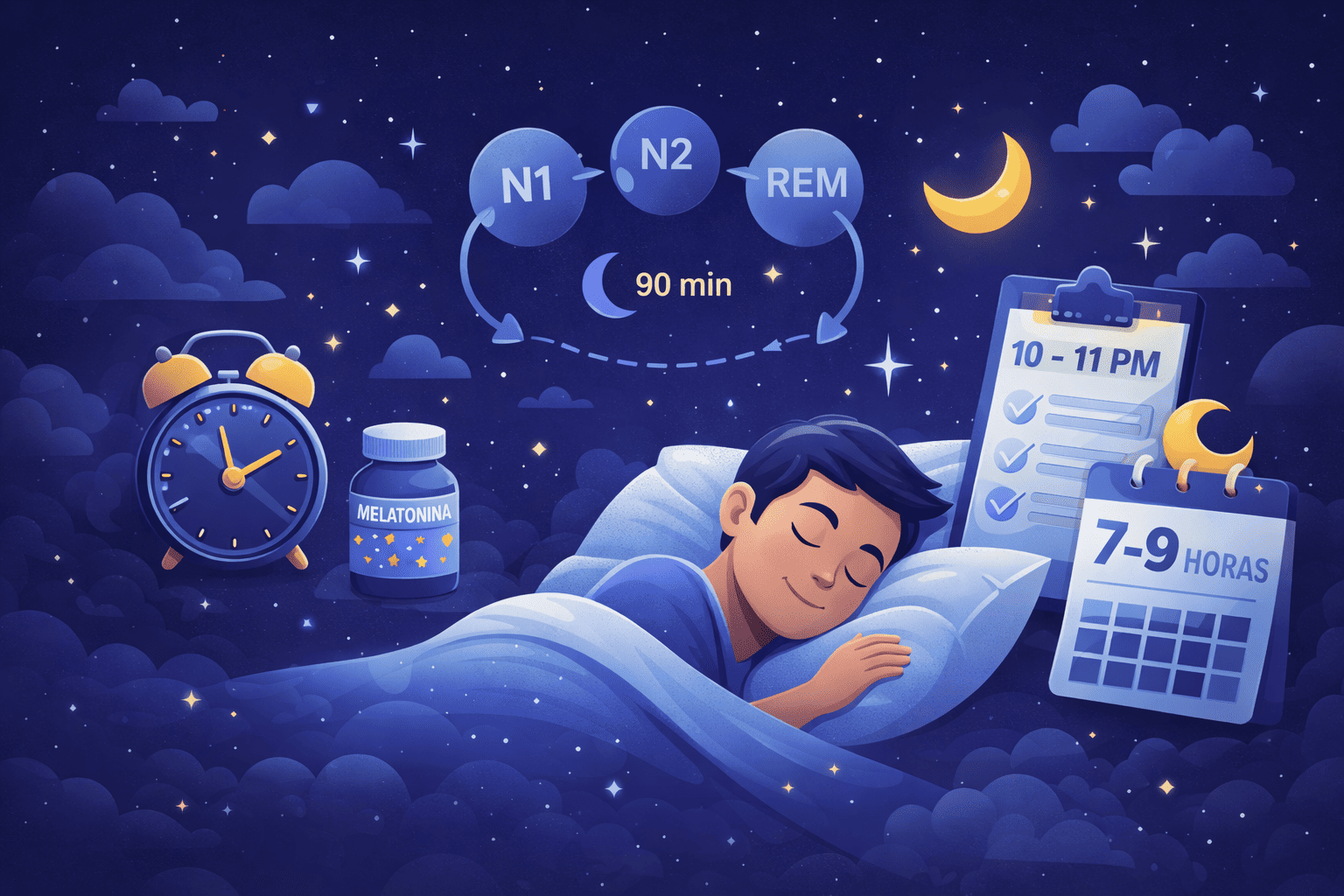
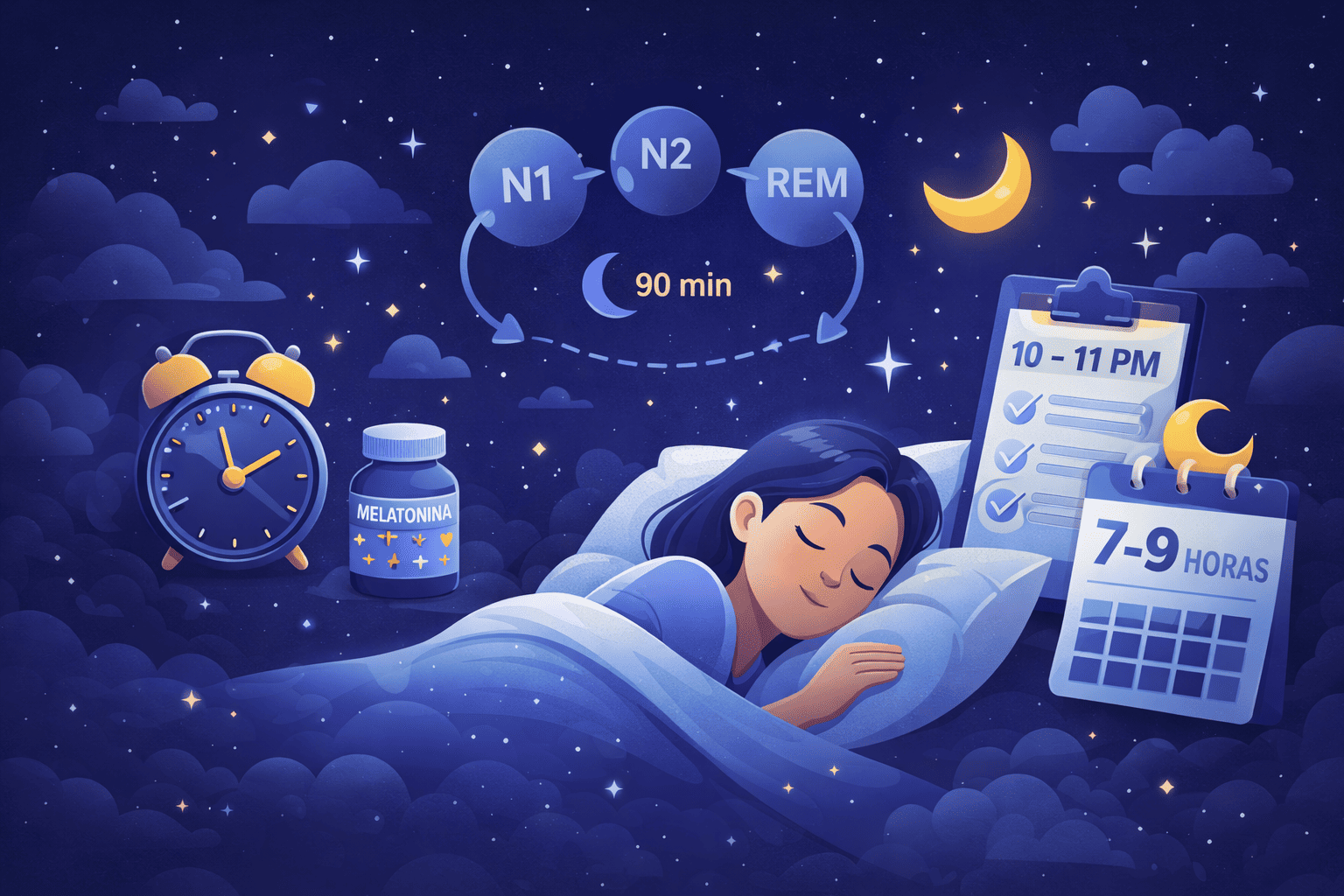
The brain doesn't stay in one state during sleep — it passes through different stages. A complete sleep cycle lasts approximately 90 minutes and repeats 4 to 6 times per night. Each cycle contains three key stages:
1. Light Sleep
This is the initial stage where muscles relax, heart rate slows, and you can still be woken easily. It lasts 5 to 10 minutes.
2. Deep Sleep
This is the stage where the body repairs itself most intensely: cells regenerate, muscles rest, and growth hormone is released. If your alarm goes off during this phase, you're more likely to wake up feeling groggy.
3. REM Stage
REM stands for "Rapid Eye Movement." During this stage, most dreams occur, the brain organises memories, and emotional experiences are processed. Although the mind is active, the body remains temporarily still.
Why does the moment of waking matter?
The key factor is not just how many hours you sleep, but which stage you wake up in. Waking up at the end of a cycle increases the chance of feeling more refreshed. If your alarm goes off in the middle of deep sleep, you may feel tired even after a full night's rest.
Recommended sleep duration by age
Sleep needs change throughout life. Babies need far more sleep than adults; older individuals generally need slightly less, but sleep remains critically important at every age.
| Age Group | Recommended Sleep |
|---|---|
| Babies (0–1 year) | 12–17 hours |
| Toddlers (1–3) | 11–14 hours |
| Preschool (3–5) | 10–13 hours |
| Children (6–12) | 9–12 hours |
| Teenagers (13–18) | 8–10 hours |
| Adults (18–64) | 7–9 hours |
| Age 65 and over | 7–8 hours |
Sleep differences between men and women
Women may sometimes need slightly more rest due to hormonal changes related to menstruation, pregnancy, or menopause. In men, snoring and obstructive sleep apnea are more common. In both sexes, however, lifestyle, stress, and the regularity of a sleep schedule are major determining factors.
10 habits for better sleep
1. Keep a consistent schedule. Going to bed and waking up at similar times each day helps your biological clock.
2. Reduce screen time before bed. Blue light can negatively affect melatonin production.
3. Pay attention to your bedroom environment. Dark, quiet, and cool (18–20°C / 64–68°F) is ideal.
4. Limit caffeine after midday. Its effects can last 5 to 7 hours.
5. Eat dinner early. Avoid heavy meals right before bedtime.
6. Exercise regularly. But avoid intense workouts less than 3 hours before bed.
7. Avoid long naps. Keep them to 20–30 minutes and before 3:00 PM.
8. Manage stress. Breathing exercises, reading, or meditation can help calm the nervous system.
9. Reduce alcohol at night. It can disrupt deep sleep and REM stages.
10. Use a sleep calculator. Scheduling your rest better can help you wake up without grogginess and with more energy.
When should you consult a professional?
If you wake up tired despite getting enough sleep, experience frequent insomnia, loud snoring, breathing pauses, or excessive daytime sleepiness, it is recommended to see a healthcare professional. A sleep calculator is a helpful tool, but it does not replace a medical diagnosis.
What time should I go to sleep?
It depends on when you need to wake up. Count backwards from your alarm time in 90-minute blocks and add about 15 minutes to fall asleep. Use the calculator above to get your exact time based on your age and gender.
What time should I wake up?
The best time to wake up is at the end of a complete sleep cycle, not in the middle of deep sleep. Enter your bedtime into the calculator and we'll tell you exactly when to set your alarm to wake up feeling rested.
How many hours of sleep do I need to not feel tired?
Adults need between 7 and 9 hours of sleep — that's 5 or 6 sleep cycles. If your alarm will cut a cycle short, sleeping exactly 7.5 hours can be more restful than 8 hours.
If I go to sleep at 11:00 PM, what time should I wake up?
If you go to bed at 11:00 PM and it takes about 15 minutes to fall asleep, the best wake-up times are 6:45 AM (6 cycles) or 5:15 AM (5 cycles). Waking at other times may leave you feeling groggy.
What is the ideal time to go to bed?
There is no universal answer. The ideal time depends on when you need to wake up. What is universal, however, is aligning with 90-minute cycles — that's the difference between waking up tired or refreshed.
How many hours of sleep do children need?
Children aged 6–12 need between 9 and 12 hours of sleep. For younger children aged 1–5, including naps, it's between 10 and 14 hours. For more detail, check our frequently asked questions page.
How many hours of sleep do babies need?
Newborns sleep between 14 and 17 hours per day, spread across multiple periods. From around 4 months, this drops to between 12 and 15 hours.
How many hours of sleep do teenagers need?
Teenagers aged 13–18 need between 8 and 10 hours of sleep. Their biological clocks naturally shift later, so going to bed late and waking up late is physiologically normal during this period.
How many hours of sleep do people over 65 need?
Older adults need between 7 and 8 hours of sleep, though they often wake earlier and experience more nighttime awakenings.
How many hours of sleep do women need?
Women may need on average 10 to 20 minutes more sleep than men.
How many hours of sleep do men need?
Adult men need between 7 and 9 hours of sleep. They are more prone to obstructive sleep apnea; if you snore loudly and wake up tired, it's worth speaking to a doctor.
Visual representation of sleep and sleep cycles
Images illustrating sleep cycles, the biological clock and an ideal rest schedule.
Scientific source
Why Do We Sleep? — Harvard University
Harvard Medical School lecture on sleep science and rest cycles.

Have questions about sleep?
Over 30 questions and answers about sleep cycles, insomnia, melatonin, napping, and much more.
View Frequently Asked QuestionsContact
Feel free to reach out with any questions, suggestions, or collaboration inquiries.
[email protected]© 2026 calculatusueno.com — All rights reserved.